

Why wait? Sam’s Clubs combat deforestation with sustainable palm oil
By David Walker on February 21, 2012 Leave a comment

Be sure to watch our video on sustainable palm oil after the jump!
I remember hanging up the phone after a conference call in July and thinking, “Why wait? Let’s do this now.”
My team is responsible for the finished baked goods in Sam’s Clubs. We’d been on a call about sustainable agriculture, an area that affects the products we purchase. Late last year, Walmart announced a new global commitment to sustainable agriculture, a move intended to do a number of things, including reduce the environmental impact of farming.
That’s where our team came in. To say that palm oil is in high demand is an understatement. The oil is in nearly 40 percent of consumer goods, including foods from margarine and shortening to candies and, yes, baked goods. Palm oil is a staple ingredient for many reasons: it’s easy to produce and ship, it’s relatively cheap, and it’s in high demand because it’s not a trans fat.
For all its benefits, palm oil has a downside. These palms only grow in the tropics and their cultivation is causing deforestation across Southeast Asia, particularly in Indonesia. Palm farmers looking to supply the world’s appetite for the oil are burning off peat-swamps and primary forests at alarming rates. The effect is potentially devastating to biologically diverse areas and puts a number of animals at risk, including the orangutan.
As part of Walmart’s global commitment to sustainable agriculture, our company will require sustainably sourced palm oil for all proprietary branded products globally by the end of 2015. Sourcing sustainable palm oil for our U.K. and U.S. private brand products alone will reduce greenhouse gas emissions by 5 million metric tons by the end of 2015.
Now back to that phone call in July. We knew we had some time to meet Walmart’s publicly stated deadline of 2015. But why wait? We decided that day to begin transitioning to sustainably sourced palm oil, and we started with a customer favorite: banana nut bread.
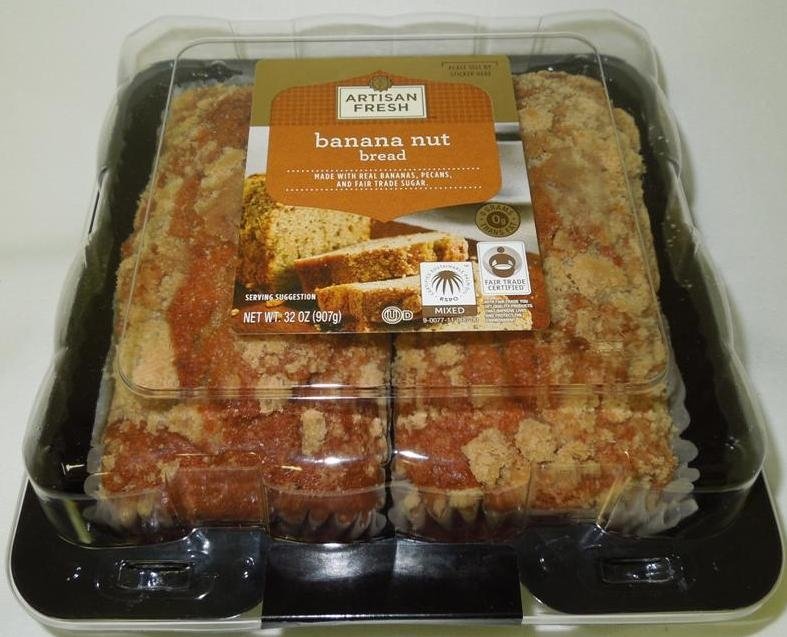 A year earlier, we’d successfully transitioned to a pound cake made with fair trade sugar. We turned to the same supplier to partner with us on palm oil. The supplier was immediately on board with our effort, and it didn’t take long to identify sustainably sourced palm oil. Within a few months, we were testing the new banana nut bread, and it tasted great.
The new Artisan Fresh Banana Nut Bread became the first item in North America with the Roundtable on Sustainable Palm Oil (RSPO) logo. As an added bonus, the item also contains fair trade sugar that helps farmers in Belize and their communities. The most important thing is that members have responded well to the item and initial sales look great. We’re now moving on to other products.
I’m glad we didn’t wait to get this transition started. Someone asked me recently why we moved so quickly and the answer is simple: halfway across the world, people I’ve never met and animals I’ll never see are affected positively because of a decision we made. We’re helping create livelihoods for small and medium sized farmers while protecting habitats for orangutans and other animals. And we’re doing it in a way that we can still provide affordable, high-quality food to our members. Why wait for that?
Check back with The Green Room tomorrow to learn about how Asda has made changes in its stores in the UK, including no longer accepting palm oil from Borneo or Sumatra to protect species and habitat.

 Loading ...
 Subscribe to The Green Room