

From reuse to rescue
By Ali Zandi on March 22, 2012 6 comments
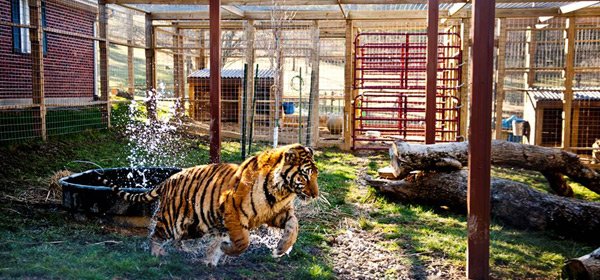
It all started with one store and a manager with a big heart. He gathered meat and poultry that went unsold at Walmart and began giving it to a nearby animal park to feed rescued animals.
Today, it is now a full-fledged program that has expanded to 325 Walmart stores and Sam’s Clubs, serving 128 animal sanctuaries and rescue centers in the U.S. Last year, 10 million pounds of meat that would have otherwise been rendered or sent to a landfill instead went to nonprofits that care for rescued animals.
It has taken about two years to get to this point, and the program is a first for us. At Quest Recycling, we work with big and mid-sized companies on innovative projects and design sustainability programs unique to each company.
So when Walmart asked us to take the store manager’s idea and make it work for rescues and animal parks around the country, we jumped at the chance and the result has been incredibly rewarding.
 Walmart’s first priority is to give unsold meat to food banks through the Feeding America program, part of a company commitment to end hunger in America. Last year, Walmart donated 256 million pounds of food.
But when meat is not suitable for food banks, it can instead be placed in special barrels for animal parks to pick up at least weekly- a preferred choice, according to the Environmental Protection Agency, before using it for industry or composting.
We developed a vetting program to ensure that the parks are nonprofits, insured and are caring for rescued animals. For instance, Serenity Springs Sanctuary in Forestburg, Texas, is a no-kill operation supported entirely by donations and cares for a variety of animals including horses, cows and pigs. The Wild Animal Sanctuary in Keenesburg, Colo., rescues animals including bears and big cats. It has specific habitats for wolves, lions, tigers, and more.
Turpentine Creek Wild Refuge in Eureka Springs, Ark., rescues big cats, some of which have been kept in residential homes and yards and were neglected or abused.
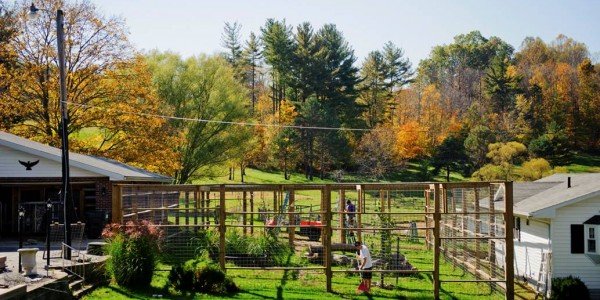

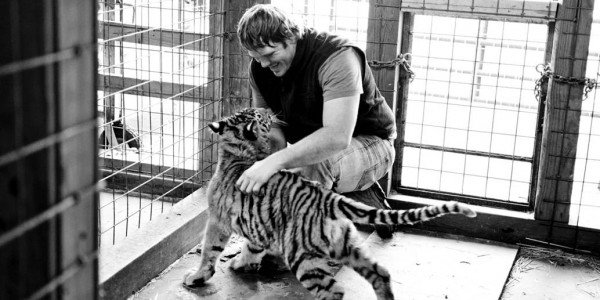
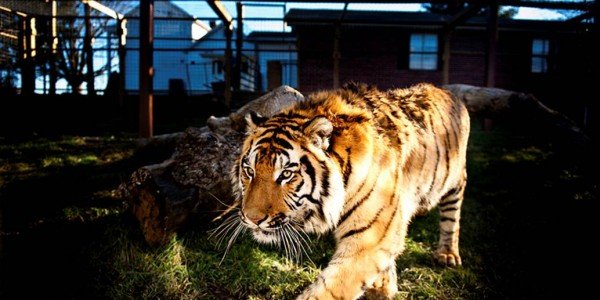
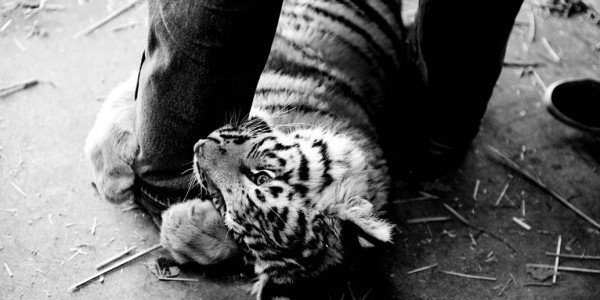

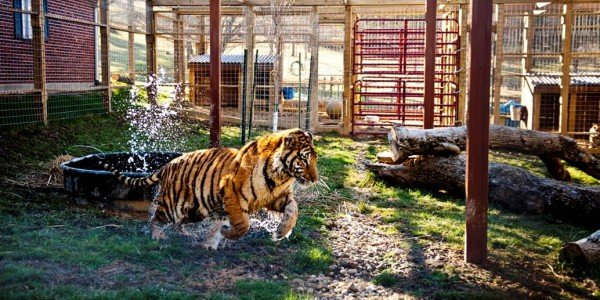
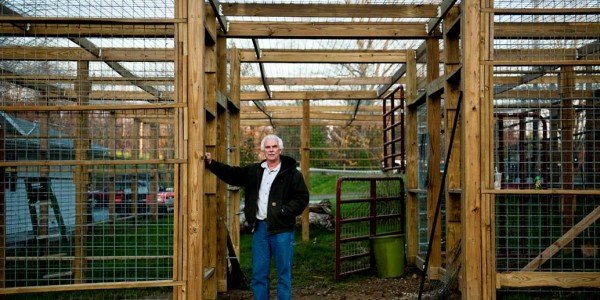


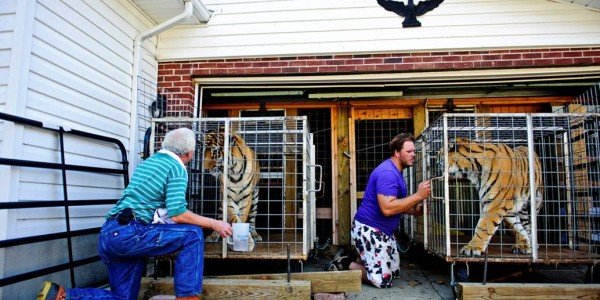
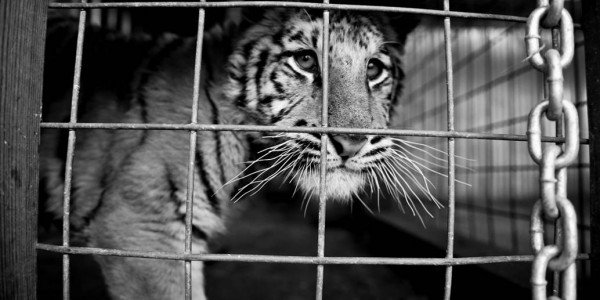
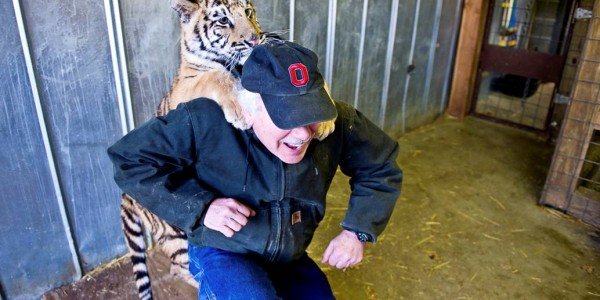

Midwest Big Cat Care, New Marshfield, OH. Photos courtesy of Dr. James Gavin and photographer Susannah Kay
Supplying these parks and sanctuaries with food really is a labor of love for everyone involved. Volunteers, refuge staff members, store associates and those of us at Quest are all part of the process, whether it is storing and transporting the meat or swapping and cleaning barrels set aside for the animal parks.
The program is now in more than 30 states, and store associates have developed close connections with the parks they serve. They often hear, as do we, that rescues have been able to take in and care for more abandoned big animals because of the food supplied by Walmart.
At the same time, we’ve found the program saves money. It costs each store about $30 a month to maintain. When the meat is turned over for rendering to be converted into animal feed or for another use, the annual cost is several thousand dollars per store.
That’s exactly the sort of thing we like to do at Quest: design a way for companies to be environmentally responsible and lower their costs at the same time. In this case, thousands of bears, lions and other wild animals are also being saved by big-hearted animal lovers and getting a second chance.

 Loading ...
 Subscribe to The Green Room
1. Abby | March 26, 2012 at 8:03 pm
Is Big Cat Rescue of Tampa, FL on that list? They are also a nonprofit supported entirely by donations. Would love to see them benefit from this program.
2. Turpentine Creek | March 29, 2012 at 7:01 pm
Nice article. Thanks Walmart and Quest for your help feeding our rescued cats. We are located just 40 minutes from Walmart Home Office; 7 miles south of Eureka Springs, Arkansas. Just a note. If you want local big cat photos, contact me.
3. Rebecca | March 31, 2012 at 3:38 pm
Great article. What state did this program originate? Was it at Walmart’s hometown of Bentonville, AK?
4. EvelynMooney | April 4, 2012 at 4:15 pm
Ia very much enjoyed reading this story of sharing foods with 1st the people and 2nd the animals–Way to Go Walmart. I have been a Walmart shopper for quite a few yrs now in several cities and states in our country USA- I am now 82 and continue to spread my senior dollars as far as I can by doing at least once montly visits to Walmart. Keep up the good work!
5. Walmart Green Room | April 9, 2012 at 6:27 pm
Thanks Evelyn! We appreciate your message. Keep checking the blog for more news about our sustainability initiatives!
6. Tina | April 6, 2012 at 1:48 pm
I think that not only Walmarts should do this but grocery stores as well. There’s tons of meat that goes
Unbought every week that should be donated. HEB in Texas should be part of this!!