

New life for hand-me-down buildings: Housing America’s homeless
By Jeff Slavin on December 4, 2012 1 comment
All across the nation in the early twilight they gather. America’s lost, looking for shelter in hand-me-down buildings to wait out the night. Nearly one million of our neighbors, many families with children, are now on the streets seeking shelter and a new start.
Their needs are met by non-profit organizations, some using government funds and many using only private resources. These non-profits house the homeless and help them to recover their dignity, to gain job skills, and to return to productive lives.
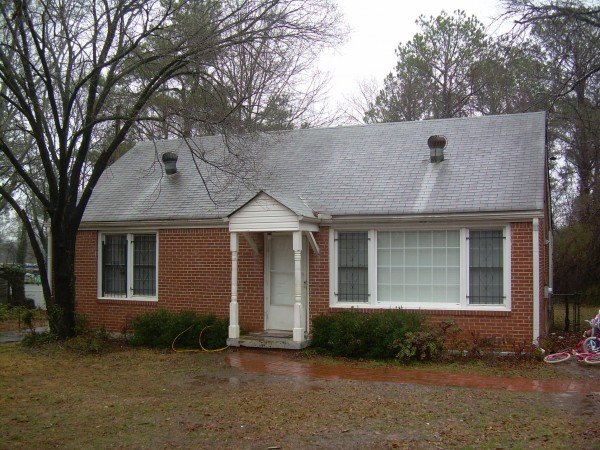
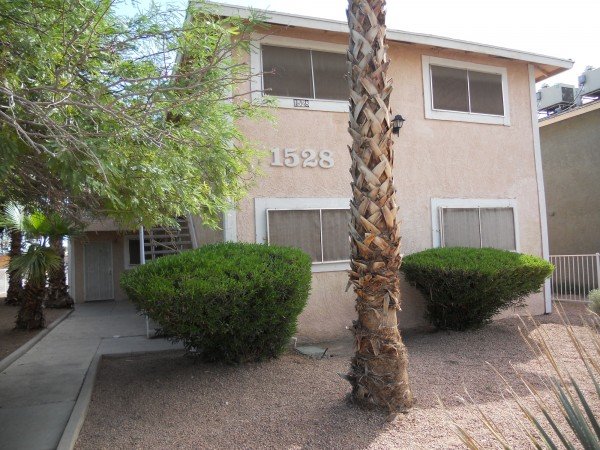
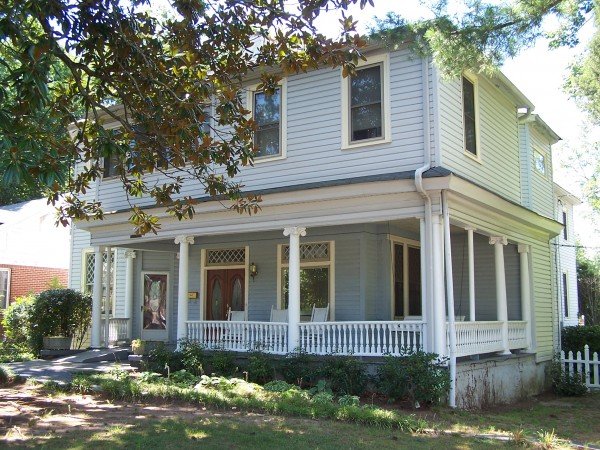
Most of America’s housing facilities for the homeless are hand-me-down buildings, structures outdated for their original uses, now repurposed to house the homeless. Church basements, store fronts, old apartment buildings, boarding houses, and office buildings, now functionally obsolete, have become the resource with which the service providers for the homeless can meet the needs of their clients.
HomeAid is a non-profit organization that helps other non-profits by constructing and renovating dignified housing where families and individuals can rebuild their lives. In our renovation work through 18 chapters around the country, we have recognized that many of these hand-me-down buildings are so out-dated that the costs of maintaining them are draining badly needed resources from the organizations that operate them.
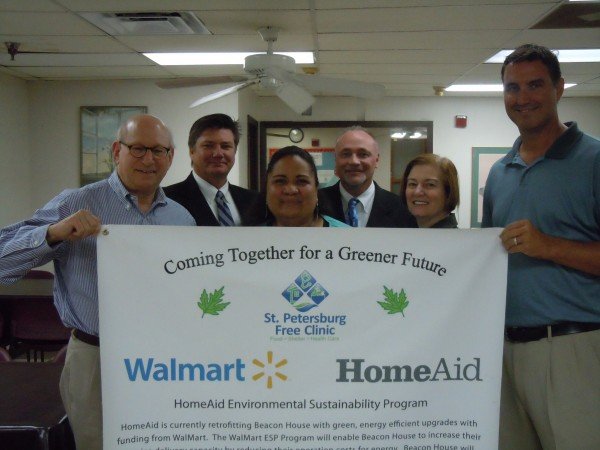
From that recognition and with the support of the Walmart Foundation, HomeAid created its Environmental Sustainability Program (ESP). The ESP is a means of retrofitting existing structures to become more environmentally sustainable and, by doing so, reducing building maintenance costs and reallocating funds to direct client needs.
In the past two years, using funds from the Walmart Foundation and with the help of additional corporate sponsors Masco Corporation, Owens Corning, Boral Industries, and General Electric Appliances, HomeAid has retrofitted 11 existing shelter facilities for the homeless: 3 in California, 2 each in Florida, Georgia, and Washington, DC, and one each in Arizona and Nevada. These retrofits ranged from a single family home in Decatur, GA used by a church to house large homeless families to Sojourner Center, one of the largest domestic violence shelters in the nation located in Phoenix, AZ.
The ESP process begins with an energy audit to evaluate current energy usage and the steps which might be taken to reduce usage costs. These recommendations are converted to a work plan and the specific savings attributable to each recommended improvement are documented. The work performed in each building has varied widely based upon the particular conditions found in each. Most typical conditions encountered include inadequate or non-existent insulation, inefficient lighting, defective heating systems and ductwork, and unmitigated building penetrations.
Across the 11 retrofits performed by the ESP, the shelters saved an average of 38 percent of their annual energy costs. The greatest savings, 86 percent of annual energy expenditures, was experienced in a southern California project which included the implementation of a solar energy system. The lowest, 19 percent, was seen at an Arizona facility.
These annual savings totaled $89,000 for the eleven shelters or approximately $8,100 per facility. On average, these retrofits cost $44,000 and will yield a simple payback of 5.4 years.
As important as these annual savings are for these 11 shelters, the real value of the HomeAid/Walmart Environmental Sustainability Program is that it demonstrates that these types of retrofits make sense, that they can be accomplished on a cost-effective basis, and that they represent a means of improving the finances of shelter providers around the country – and therefore, the lives of their homeless clients.
With care and planning, hand-me-down buildings can see a significant extension of their useful lives as they house America’s homeless and provide them shelter to regain hope.
One of the nation’s largest developers of housing for the homeless, HomeAid has now completed more than 275 multi-unit shelters in 15 states and the District of Columbia. Costing in excess of $180 million, one half of which has been donated by America’s building industry, HomeAid’s facilities have now housed more than 145,000 homeless people seeking to rebuild their lives.

 Loading ...
 Subscribe to The Green Room
1. Patty Conner | December 6, 2012 at 4:05 pm
I love Walmart!