

Just how far along is Walmart on its sustainability journey?
By Andrea Thomas on April 16, 2012 1 comment

Today, we release our 2012 Global Responsibility Report, Walmart’s annual update on global sustainability and social responsibility.
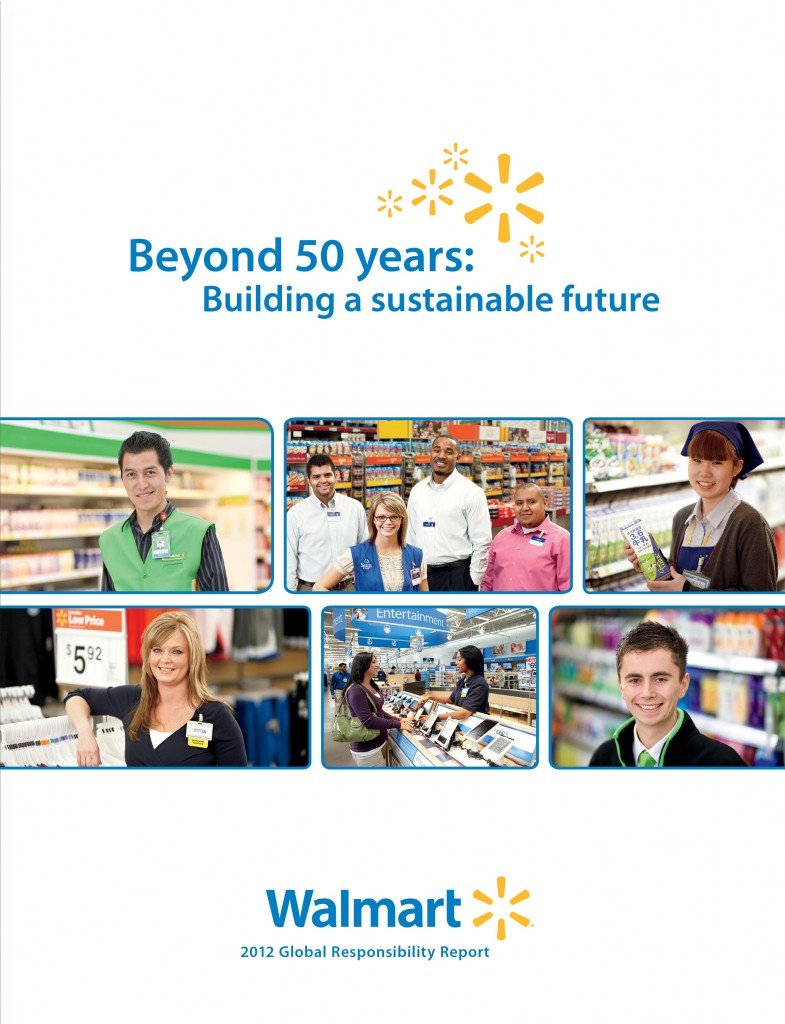 The report documents our progress on everything from energy, waste and water to disaster relief, diversity and giving. It also covers two initiatives we launched in 2011: healthier, affordable food and women’s global economic empowerment.
This is an extensive report, so if you only have time to review quick highlights, you can glance at our list of top 10 achievements for the year.
We still have a long way to go on our sustainability journey. We pledged to be powered 100 percent by renewable energy, create zero waste and sell products that sustain the environment.
Those goals, set in 2005, were ambitious, and we knew we wouldn’t reach them overnight. In fact, we didn’t know how long it would take or even how we would achieve them. But we believed then, and we believe now, that we must be aspirational to truly make a difference. It’s the right thing to do for the environment and also for our business.
Our approach has been to build meaningful, long-term global change and create a model for business to address major issues in a systemic way. We have made significant progress, and we work on it every day.
Because we are committed to transparency, we release our Global Responsibility Report annually. Some of my favorite achievements over the last year have been with waste and renewable energy.
 We now keep nearly 81 percent of our U.S waste out of landfills. We are recycling cardboard, paper, aluminum, plastic bags and nearly three dozen other items. We are donating food that goes unsold to food banks around the country. And last year, we gave 338 million pounds of food to hunger relief organizations — the equivalent of 264 million meals.
In 2011, this waste diversion saved more than 11.8 million metric tons of CO2 emissions, the equivalent of taking more than 2 million cars off the road.
And it has also been good for our business, which is something we speak about frequently because we want other companies to see that they can afford to be sustainable, too. In fact, it really does help the bottom line.
Walmart’s zero-landfill waste program returned more than $231 million to our business last year through a combination of increased recycling revenue and decreased expenses.
Our organics reduction program, which finds nonlandfill solutions for our organic waste, also created 1,600 jobs with service providers and processors who serve Walmart.
When it comes to waste, it’s clear we’ve picked all of the low-hanging fruit. So now, we are faced with how to eliminate the remaining 19.1 percent of our waste, generally from our restrooms and parking lots. We may need new technology. We may need new partnerships. We don’t know the answers yet, but we’re working to find solutions.
In the area of renewable energy, we now have more than 180 renewable projects in operation or under development, providing us more than one billion kilowatt hours of renewable electricity annually. That is enough to power 78,000 American homes every year.
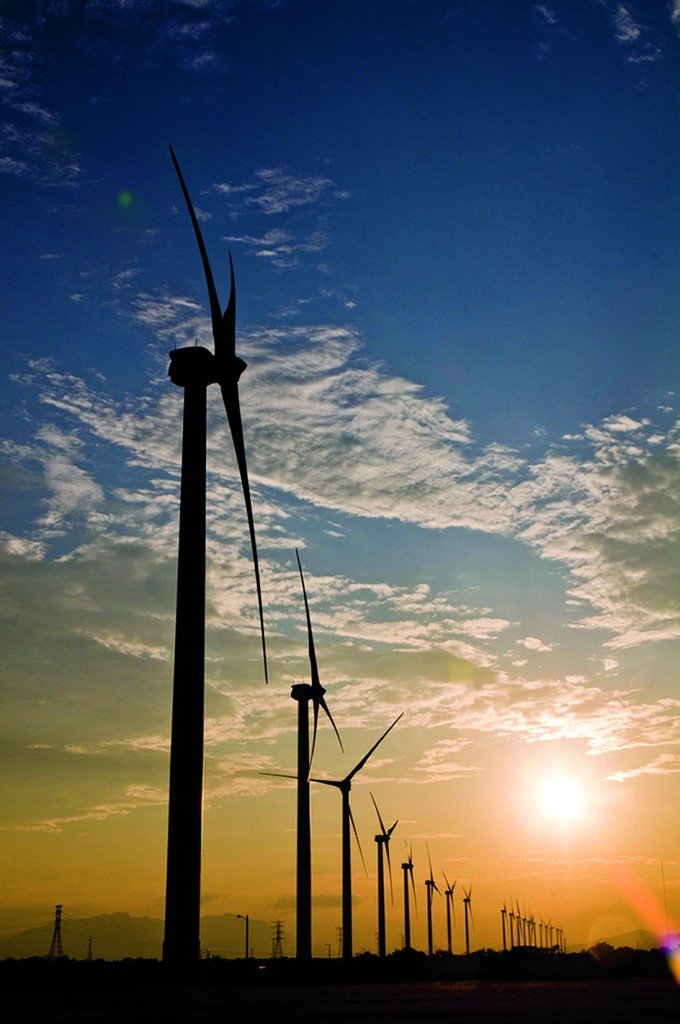 We are testing solar rooftops, micro-wind in our parking lots, biodiesel generator sets and fuel cells. We now have 127 rooftop solar installations in seven countries, 26 fuel cell installations in the U.S., 11 micro-wind projects and seven solar thermal projects.
Our renewable energy projects in California and Texas alone rank us as the third-largest green power purchaser in the United States.
Our latest count puts us at 4 percent renewable electricity. We purchase another 18 percent from the grid, for a total of 22 percent renewable electricity. We’re proud to have made so much progress in just seven years, and we understand that some of our critics and even our partners feel we are moving too slowly. Sometimes, we feel that way, too.
When you think big, without knowing exactly how to achieve your goals, you spend a lot of time laying a foundation and creating a model. It has taken considerable time to get to this point, and we anticipate that our efforts are about to accelerate.
We really are committed to building a more environmentally and socially responsible supply chain, and we believe that we will prove that what is good for the planet can also be very good for business.

 Loading ...
 Subscribe to The Green Room
1. Anonymous | April 16, 2012 at 9:01 pm
Walmart should have employees waer white shirts and green vests,green tie, be a better outlook for the store, you really have the people of walmart look going on